













Role of Municipal Government in Facility Management
May 30, 2026
Essentials of Commercial Building Safety Standards
July 2, 2026Overview
- Understand the difference between commercial and residential property maintenance.
- Maintain electrical, cleaning, plumbing, HVAC, and exterior systems consistently.
- Use preventative maintenance to reduce downtime and repair costs.
- Schedule maintenance around usage and seasonal demand.
- Monitor maintenance with a CMMS.
- Consider professional facility services to support operations.
Commercial property maintenance plays a critical role in safety, operational efficiency, and long-term cost control. Cleanliness, lighting, and air quality directly impact the occupant and consumer experience and contribute to your facility’s overall performance, making consistent upkeep essential for any commercial environment.
How Does Commercial Property Maintenance Differ from Residential?
The maintenance of all places involves similar core tasks such as HVAC maintenance, cleanliness, plumbing maintenance, electrical appliances functionality, and so on. However, compared to the maintenance of your home, commercial maintenance occurs on a much larger scale.
Commercial properties typically experience much higher daily foot traffic, necessitating more frequent and thorough maintenance routines and specialized equipment. For instance:
- Commercial HVAC systems usually handle larger spaces and higher occupancy rates and require a more robust inspection.
- Commercial property maintenance generally requires skilled professionals such as janitors, technicians, and other third-party facility maintenance providers.
- Commercial buildings typically require more extensive and frequent cleaning services to maintain a professional appearance, inside and outside (building’s exterior, parking lot, lawn, etc.).
- Commercial maintenance also involves stricter adherence to safety regulations and accessibility standards. This includes regular inspections of fire safety systems, elevators, and emergency exits, to name a few.
- Commercial maintenance often occurs during off-hours to minimize disruption to business operations.
Equally important, remember that routine commercial maintenance is crucial not only for the health and safety of visitors and employees but also for the business’s profitability.
What Should Commercial Maintenance Cover?
Commercial maintenance involves a wide range of tasks that preserve a property or building’s functionality, safety, and appearance.
Electrical Systems
Commercial electrical systems include lighting, safety systems, power distribution, and equipment. Proper maintenance ensures reliable operation and prevents overloads or failures.
Best Practices for Electrical Maintenance
- Conduct routine inspections to identify wear, faulty wiring, or overloaded circuits.
- Upgrade outdated systems to support modern power demands.
- Ensure emergency and safety systems are regularly tested.
Cleaning & Janitorial Maintenance
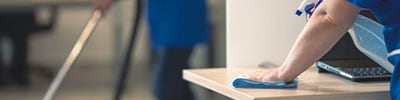
A clean building enhances appearance, promotes health and safety, and creates an inviting atmosphere for occupants and visitors. A thorough janitorial and commercial cleaning routine should cover all high-traffic areas, shared spaces, and frequently touched surfaces. These areas require consistent attention to support both appearance and hygiene.
Best Practices for Cleaning Maintenance
- Prioritize high-touch areas such as door handles, restrooms, and shared workspaces.
- Schedule deep cleaning services (e.g., carpet cleaning, floor stripping) on a recurring basis.
- Use standardized cleaning checklists to ensure consistency across teams.
Plumbing Systems
Commercial plumbing systems include water lines, drainage systems, heating systems, and fire protection infrastructure. Proper maintenance prevents leaks, water damage, and system failures.
Best Practices for Plumbing Maintenance
- Inspect pipes, drainage systems, and fixtures regularly for leaks or blockages.
- Monitor water pressure to prevent system strain.
- Maintain and test fire sprinkler systems to ensure compliance.
HVAC
HVAC systems are vital for maintaining a safe and comfortable environment for occupants. Their importance is magnified in commercial properties where specific climate conditions—such as cool temperatures, good air circulation, and low humidity levels—are crucial for business operations, as in restaurants and pharmaceuticals.
Regular HVAC maintenance improves efficiency, prevents breakdowns, and extends equipment lifespan.
Best Practices for HVAC Maintenance
- Inspect HVAC systems at least twice per year (spring and fall) to prepare for peak seasons.
- Replace filters regularly to maintain airflow and reduce strain on equipment.
- Monitor energy usage to identify inefficiencies or performance issues early.
Exterior
The exterior of a building endures various elements that cause wear and tear over time. In addition to helping protect the interior of the building, proper exterior maintenance helps ensure the building remains attractive and welcoming to visitors.
Best Practices to Maintain a Commercial Property Exterior
- Inspect roofing, siding, and drainage systems regularly for damage or wear.
- Keep parking lots, walkways, and entry points clean and well maintained.
- Address minor issues early to prevent costly structural repairs.
3 Must-Dos in Your Commercial Maintenance Plan
A structured maintenance plan helps ensure consistency and cost control. Make sure your plan includes these three essential elements.
1) Assess & Prioritize Maintenance Needs
Conduct a comprehensive evaluation of your building’s physical assets and areas to determine which maintenance tasks should be performed regularly (and their frequency) and which can be included in your preventive maintenance routines. Then, prioritize duties based on their importance to your unique property needs. For example, office buildings with high foot traffic may need to focus more on regular elevator servicing and frequent floor cleaning in the main lobby.
2) Create a Strategic Maintenance Schedule
Develop a detailed maintenance schedule that accounts for factors such as seasonality and occupancy patterns. This approach ensures efficient time management and that critical tasks are completed during optimal hours, minimizing disruption to the business operations and potentially reducing costs. For instance, if your property undergoes regular safety and accessibility inspections, schedule necessary maintenance tasks well in advance to ensure compliance and avoid last-minute rushes.
3) Implement & Monitor with a Recommended CMMS
Assign roles and responsibilities to your maintenance staff and implement a system to track the completion of maintenance duties, from routine tasks like replacing cooling system filters to periodic safety equipment checks. A computerized maintenance management system (CMMS) provides the structure needed to manage these processes efficiently. CMMS platforms, like eMaint, allow teams to schedule routine tasks while also tracking work orders, labor hours, and equipment in real time. Some of these platforms enable facilities to collect and analyze data across maintenance activities with sensors or AI-driven monitoring tools.
Entrust Your Commercial Maintenance to Professionals
Managing commercial property maintenance requires coordination, consistency, and expertise. Many organizations partner with professional providers to maintain performance and reduce internal workload. This decision allows for expert handling of the multifaceted aspects of building upkeep while freeing up internal resources to focus on core business operations.
US&S supports commercial properties with facility maintenance, operations support, and janitorial services designed to maintain safe, compliant, and efficient environments. With over two decades of trusted service, we’ve established ourselves as a reliable partner. If you’re looking to elevate your property’s maintenance strategy and create a safer, more efficient environment for your occupants, contact us today.