

















10 Ways AI Advances Facility Management
October 19, 2026Dangerous infections are a critical concern for healthcare facilities, particularly when dealing with patients who are already vulnerable due to preexisting illness. In recent years Candida auris (C. auris), a type of yeast infection that can be passed easily between sick patients, has spread across America. Sometimes resistant to anti-fungal treatments, it can be difficult to treat, a problem compounded by the fact that those who contract it are often patients suffering from serious underlying medical conditions. Preventative measures, such as thorough healthcare cleaning services from US&S, are the best way to prevent the spread of this potentially life-threatening condition.
Origins of Candida auris
First documented in Japan in 2009, C. auris has since spread to dozens of countries, reaching the United States in 2016. While its origins are still not clear, researchers have traced several probable leaps from the environment to humans. It’s unknown what may have caused this to happen, but two theories have gained support. The first is that climate change conditioned the fungal infection to withstand higher body temperatures in mammals instead of its typical cold-blooded hosts. The second is that the widespread use of anti-fungal drugs unintentionally created the resistant fungus. Regardless of the exact origins, the high fatality rate and rapid spread of C. auris are clear reasons for concern.
Why Is Candida auris a Problem for Healthcare Facilities?
Patients experiencing significant health concerns are those at most risk of contracting C. auris. Medical treatments that involve devices like breathing tubes and catheters create vulnerable openings through which the fungus can enter the body, bypassing the body’s natural defenses. Infected individuals then spread the infection by touching common objects and surfaces, such as doorknobs, stairway handles, or even blood pressure cuffs. Some patients contract C. auris without showing symptoms, an effect called colonization, that presents significant difficulties as both symptomatic and asymptomatic people can spread the disease.
C. auris unfortunately carries a higher-than-normal fatality rate, partially due to the underlying medical conditions that create the infection opportunity. While it can be hard to pinpoint an exact cause of death when there are multiple contributing factors, one study provided a broad range of 30%–72%, one significantly higher than for similar antibiotic-resistant microorganisms. An additional complication is that, according to the CDC, C. auris remains on infected patients’ skin for a long time. Because of the severity of the infection and the relative ease with which it spreads, it is critical for medical cleaning services to support prevention with thorough sanitization.
Medical Cleaning Services for Candida auris Prevention
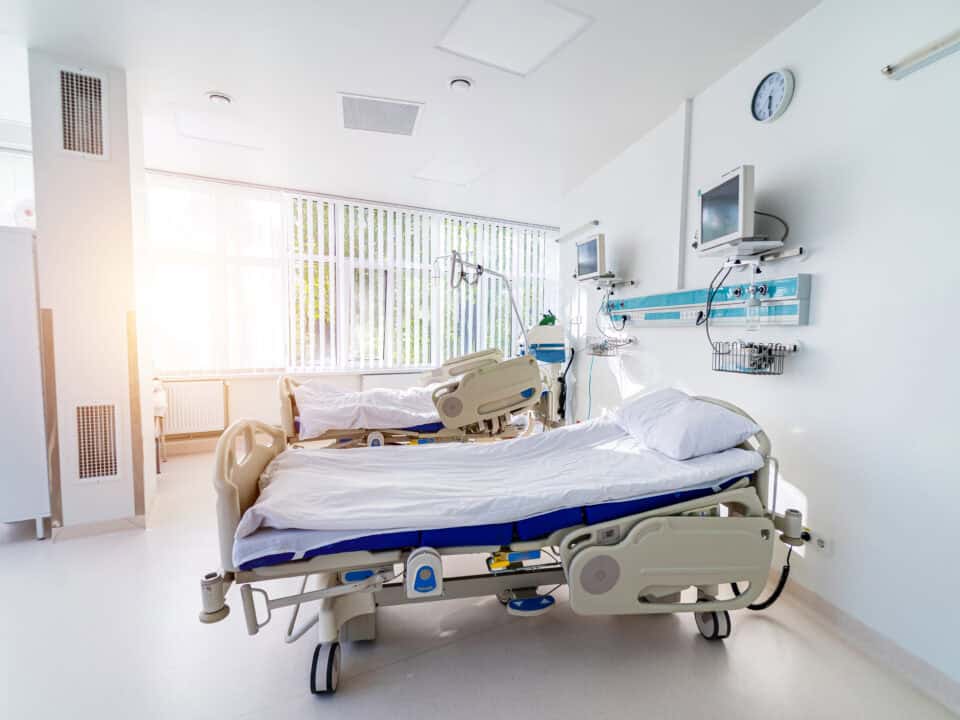
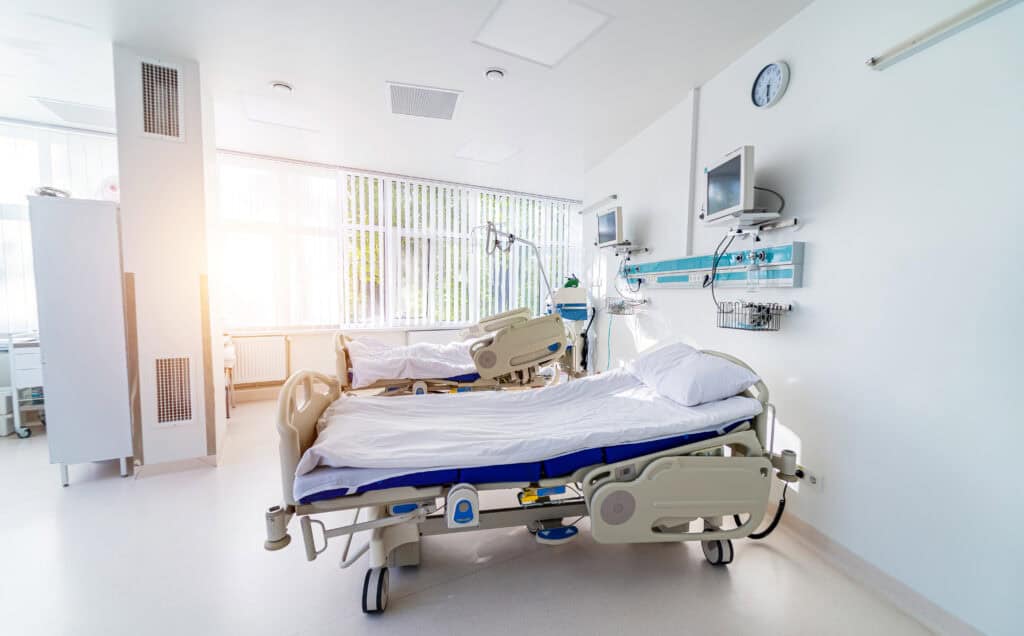
Many standard precautions, such as the use of gloves and gowns as well as alcohol-based sanitizers, are effective in limiting the introduction of C. auris. If an infected patient does come to the hospital for treatment, isolating them from other patients in an easy-to-clean room is the best practice.
Even with these precautions, thorough environmental cleaning is critical. Frequently touched surfaces, such as bedrails, doorknobs, light switches, and shared medical equipment, can become contaminated and contribute to the spread of C. auris. Regular cleaning and disinfection of these areas can help reduce the risk of transmission throughout a healthcare facility.
However, many commonly used hospital and medical facility disinfectants are not effective in stopping the spread of C. auris once it enters a facility. Because of this, the CDC recommends following a list of specific EPA-registered disinfectants known as List P. Many of these endorsed products use a hydrogen peroxide or sodium hypochlorite base and carry specific directions for combating C. auris. Following these directives gives healthcare cleaning services the best chance of stopping the fungus from spreading once it has been introduced.
While it shouldn’t replace manual cleaning, an enhanced disinfection system like electrostatic spraying can ensure broader surface coverage, reaching surfaces that manual disinfecting cannot.
How US&S Helps Protect Your Healthcare Facility
According to the CDC, the spread of C. auris grew year over year until 2025, which saw a regression. But in 2026, the number of cases reported midyear was already approaching the previous year’s total, with more than 25 states documenting cases. Because the fungus can remain on patients’ skin for extended periods and spread even when symptoms aren’t present, it’s not just hospitals that need to be cautious about the spread of C. auris. Any healthcare facility that serves patients using invasive medical devices should exercise caution.
From patient rooms and treatment areas to shared spaces with high-touch surfaces, thorough cleaning helps reduce the risk of transmission throughout a facility. US&S understands the unique cleaning challenges healthcare facilities face and the importance of maintaining a safe environment for patients, staff, and visitors. Contact us to learn more about how our professional healthcare cleaning services can support your facility’s infection prevention efforts and help you maintain the high standards of cleanliness on which your patients and staff depend.