

















Healthcare Facility Expansion: Why Facility Support Matters
October 7, 2026When maintaining a school, you bear a responsibility not only for the roof and walls but also for the well-being of students and staff. Effective school building maintenance protects physical assets, supports health and safety in schools, and helps create an environment where students can learn effectively. By taking proactive steps to school maintenance, you’re not just investing in the building itself but the future of the students.
From maintaining indoor air quality to managing hazardous materials, facility managers play a crucial role in creating a healthy learning and working environment for students and staff. In this blog, we explore the six key areas of school building maintenance and strategies for addressing them effectively.
Six Critical Areas of School Building Maintenance
1. Maintain Healthy Indoor Air Quality
Did you know we spend about 90% of our time indoors? Indoor air quality (IAQ) affects everyone, especially the most vulnerable—children, the elderly, and people with sensitive health conditions.
Poor IAQ can lead to respiratory issues, allergies, and decreased productivity. Therefore, facility managers must prioritize regular HVAC maintenance, proper ventilation, and monitoring of indoor air pollutants. Many IAQ problems result from inadequate air handling and ventilation. Low levels of contaminants rarely accumulate to dangerous levels if the building is properly ventilated.
Building administrators should be mindful not to inadvertently cause air quality problems. For example, during routine janitorial cleaning, products or processes may create emissions. Even room humidifiers, which may be used to make a classroom more comfortable, may introduce excess moisture into the building and create mold or mildew issues.
Guidance from the U.S. Environmental Protection Agency (EPA) for schools emphasizes preventative maintenance, proper HVAC operation, moisture management, and thoughtful cleaning practices as important parts of maintaining healthy indoor air quality.
To reduce chemical pollution indoors:
- Use less toxic cleaning products like mild soap and water. Look for products with EPA’s Safer Choice label.
- Follow product label instructions, don’t mix chemicals, and ventilate when painting, cleaning, sanitizing, or disinfecting.
US&S uses environmentally responsible cleaning practices designed to support healthy educational environments. Our CIMS-GB with Honors certification reflects established standards for green cleaning and sustainable facility care.
While indoor air quality can involve complex building systems, many problems can be addressed through regular inspections, preventative maintenance, appropriate cleaning products, and consistent HVAC care. Schools that need additional support can also work with professional facility maintenance and janitorial providers.
2. Manage Asbestos Risks and Compliance
From the 1930s to 1970s, asbestos was commonly used in thousands of products and construction materials, including vinyl products, textured paint, and patching compounds. However, exposure to asbestos fibers can cause serious respiratory diseases, including mesothelioma.
Asbestos remains a current concern in older school buildings. In 2023 CBS News reported that multiple Philadelphia schools temporarily closed after damaged asbestos-containing materials were discovered, including Frankford High School, which remained closed for the rest of that school year after additional damaged material was identified.
The Asbestos Hazard Emergency Response Act (AHERA) requires public school districts and non-profit schools to:
- Perform an original inspection to determine whether asbestos-containing materials are present and then re-inspect asbestos-containing material in each school every three years.
- Develop, maintain, and update an asbestos management plan and keep a copy at the school.
- Provide yearly notification to parent, teacher, and employee organizations on the availability of the school’s asbestos management plan and any asbestos-related actions taken or planned in the school.
- Designate a contact person to ensure the responsibilities of the public school district or the non-profit school are properly implemented.
- Perform periodic surveillance of known or suspected asbestos-containing building material.
- Ensure that trained and licensed professionals perform inspections and respond with appropriate actions.
- Provide custodial staff with asbestos-awareness training.
The EPA continues to require these measures under AHERA for applicable public and nonprofit private schools.
Regular inspections, proper abatement procedures, and staff training are essential to ensure compliance with safety regulations and protect occupants from exposure.
3. Monitor Drinking Water and Plumbing Systems
While most schools are connected to “community water systems” monitored by local water authorities, some operate on a “non-community water system.” This classification typically applies when a school relies on a water well as its water source.
In 2023, a school in North Carolina faced closure due to the discovery of dangerous chemicals in its water supply. The NC Department of Environmental Quality said during its annual testing of the well water at Sumner Elementary School, it found naphthalene. This chemical can be produced from petroleum and, after short-term exposure, can cause anemia, damage to the liver, and neurological damage.
Lead in drinking water can be a common cause of water management problems at schools. The problem often occurs as aging plumbing infrastructure corrodes. One step you can take to remove lead from drinking water is the installation of filters certified to remove lead. In the meantime, high-risk water features should be shut off and/or replaced.
To ensure compliance with safety standards, it’s crucial for schools to familiarize themselves with regulations like The Safe Water Drinking Act. Enacted to safeguard water quality, this legislation empowers the EPA to establish maximum contaminant levels for specified substances in water.
Regular water quality testing and treatment are imperative to guarantee safe drinking water for students and staff. This includes annual backflow testing to ensure that potable and dirty water remain separate in a school’s complex plumbing network. By consistently monitoring and addressing water quality concerns, facilities can uphold high standards of environmental safety and ensure the well-being of everyone on campus.
4. Maintain Safe Waste and Recycling Practices
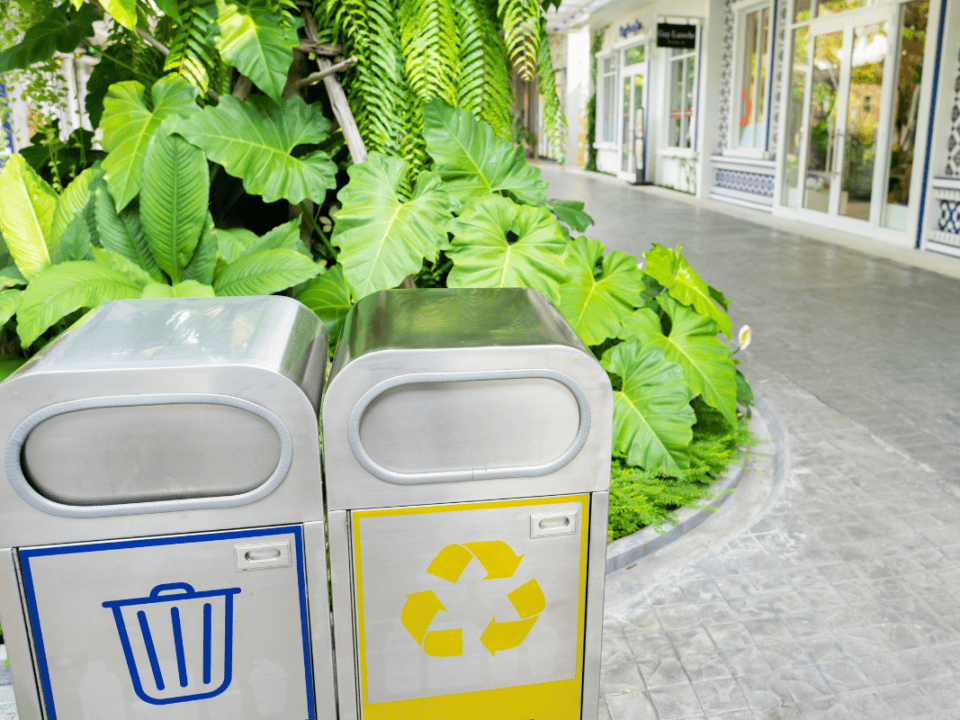
Waste management encompasses aspects such as trash removal, recycling, and hazardous waste disposal. In a school setting, proper waste management is essential for maintaining cleanliness and environmental safety.
Trash removal is a significant aspect of waste management in schools, ensuring the timely disposal of solid waste materials. It’s crucial for school districts to adhere to local and state laws regarding solid waste disposal, as illegal dumping or improper disposal can have serious environmental and legal consequences.
Recycling also plays a role in waste management within educational institutions. Many townships and cities mandate recycling programs, contributing to environmental sustainability. However, school districts may need to balance the social and environmental benefits of recycling with the associated costs.
5. Establish Effective Cleaning and Disinfection Practices
In educational facilities, maintaining cleanliness and implementing proper disinfection protocols are critical for fostering a healthy and safe learning environment. Effective cleanliness practices not only prevent the spread of illnesses but also contribute to overall well-being and productivity among students and staff.
While the terms cleaning, disinfecting, and sanitizing are often used interchangeably, each has a distinct role in germ control:
- Cleaning removes germs, dirt, and impurities using soap and water. This reduces the number of germs on surfaces but doesn’t necessarily kill them.
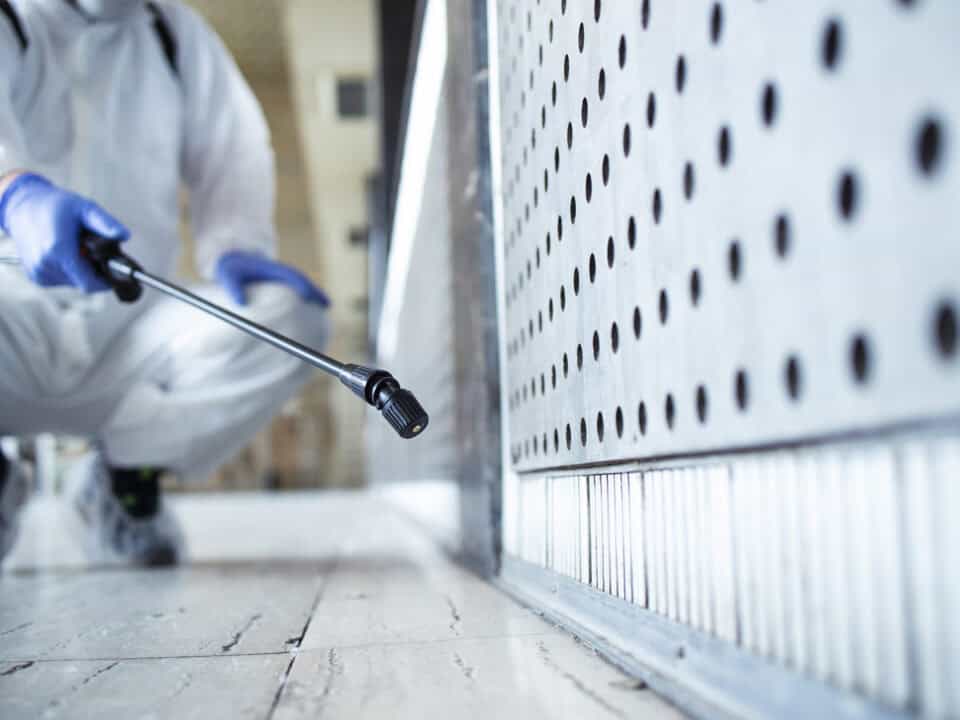
- Disinfecting utilizes chemicals to kill germs on surfaces. It’s most effective after cleaning has removed debris, as disinfectants may not penetrate dirt and grime.
- Sanitizing reduces germ levels on surfaces or objects to a safe standard. This can be achieved through either cleaning or disinfecting.
Routine cleaning should focus on high-touch and high-traffic areas such as desks, door handles, restrooms, cafeterias, light switches, and faucets. When disinfectants are necessary, schools should use EPA-registered products according to label instructions rather than treating daily disinfection as a substitute for routine cleaning.
While the basic principles of cleaning and disinfection are straightforward, navigating regulations, selecting the right products, and ensuring consistent implementation can be challenging. Professional janitorial services can help schools establish cleaning programs that match their building use, schedules, traffic patterns, and health requirements.
6. Inspect and Maintain Playground Equipment and Grounds
School maintenance extends beyond the building itself. Playgrounds, walkways, outdoor recreation areas, and school grounds also require routine inspection and upkeep to reduce safety risks.
The U.S. Consumer Product Safety Commission recommends regularly inspecting playground equipment and surfacing for hazards such as damaged hardware, sharp edges, inadequate protective surfacing, trip hazards, and deteriorating equipment. Its updated Public Playground Safety Handbook also addresses maintenance inspections, repairs, surfacing, and recordkeeping.
School maintenance teams should:
- Inspect playground equipment and protective surfacing regularly for wear or damage.
- Address protruding hardware, sharp edges, loose components, and trip hazards promptly.
- Keep walkways and outdoor areas clear and well maintained.
- Document inspections and repairs to establish a consistent maintenance history.
Other Major Safety Concerns in School Maintenance
In addition to these six critical areas, facility managers in educational facilities must address other major safety concerns, such as procedures for emergencies, bloodborne pathogens, security concerns, hazardous materials, fire safety, and other risks based on their buildings, students, staff, and local requirements.
A strong school building maintenance program combines regular inspections, preventative maintenance, effective cleaning, documented safety procedures, and clear communication between administrators, maintenance teams, custodial staff, and other stakeholders.
By prioritizing regular maintenance, implementing effective management plans, and fostering a culture of safety and sustainability, facility managers can create a safe and healthy learning environment for all occupants.
Learn How US&S Can Support Your School
Many schools in South Carolina are LEED certified, meaning they adhere to a strict standard of addressing carbon, energy, water, waste, transportation, materials, health, and indoor environmental quality. In Greenville County, this includes schools like A.J. Whittenberg Elementary School and Riverside High School as well as some collegiate campuses. With its CIMS-GB certification, US&S can assure schools and campuses that it will use cleaning procedures, materials, and services in their buildings that meet LEED standards.
US&S uses third-party software, internal documentation, on-site training to ensure they’re thoroughly trained on both procedures and the individual buildings and grounds. Contact US&S today to learn more about how we support educational facilities with maintenance and janitorial services designed around the needs of active school and campus environments.